Make Running Boring Again
Variety might feel productive, but is it?

Over the past few days, I’ve gained a few more followers and subscribers—welcome all! It’s an honor to exchange ideas with you on this platform. That being said, I thought I’d (re)introduce myself and provide a bit of context for my (free) twice-monthly publication on Substack.
I’m a sub-ultra trail runner born and raised in the southwest corner of Colorado where the desert meets the high country. I live with my fiancé and mountain runner, Josh, in a mini school bus he purchased from an NYC school district and built out to suit our outwardly-simple (yet inwardly-rich) lifestyle. We travel often, but Durango, CO is our home-base for most of the year.
Although I’ve been running since middle school, I only recently began competing—a fact I partially attribute to Josh who held enough belief in me for the both of us. Turns out, he might know a thing or two because I’ve performed pretty well so far…
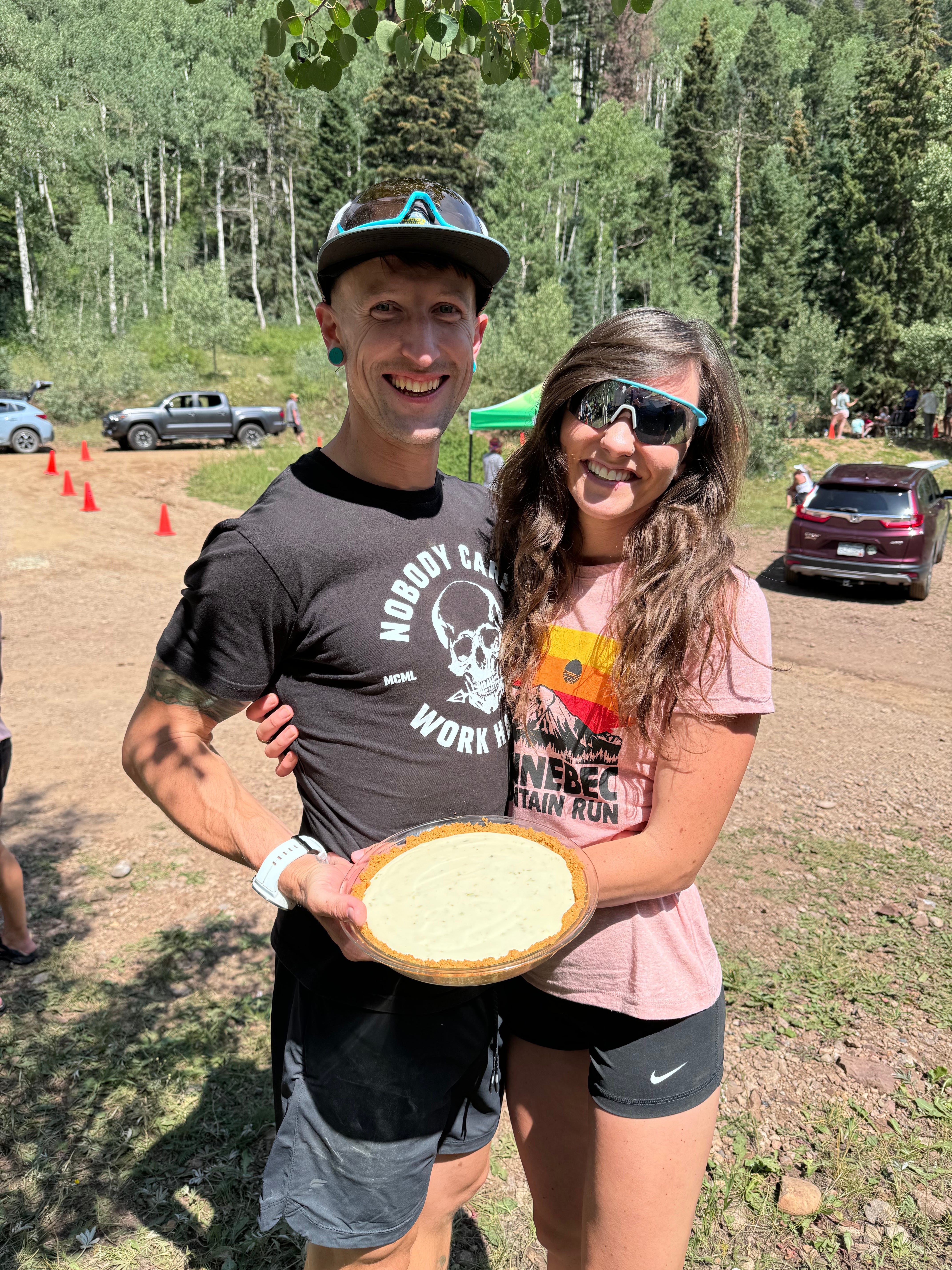
My “day jobs” include run-coaching, freelance writing, and managing content for a user-generated running reviews company called, WeeViews (check them out if you’re seeking authentic gear reviews and/or a supportive online community).
Initially, I started my Substack on a whim; embroiled in a stubborn IT-band injury (Check out my “Coping with a Running Injury” article) that left me sidelined for the 2024 fall trail season, I needed a productive, creative outlet to fill the extra time. As it has taken shape over the months, I now view this project as a nod to my inner artist—the one I abandoned in the early years of pursuing my bachelor’s degree in biology. It is my hope to gather my loves for running, science, and writing into one place. Thanks for joining the journey!
Today’s post is pretty run-centric, but I hope my non-runner readers (hey, Mom) might take away a nugget or two about embracing the banal…
With the rise of run-coaching apps, I’ve found myself curious about their appeal to runners. My browsing history from this market research must have garnered the attention of one app in particular: in the recent bombardment of Runna advertisements, I had to laugh at this Instagram ad...
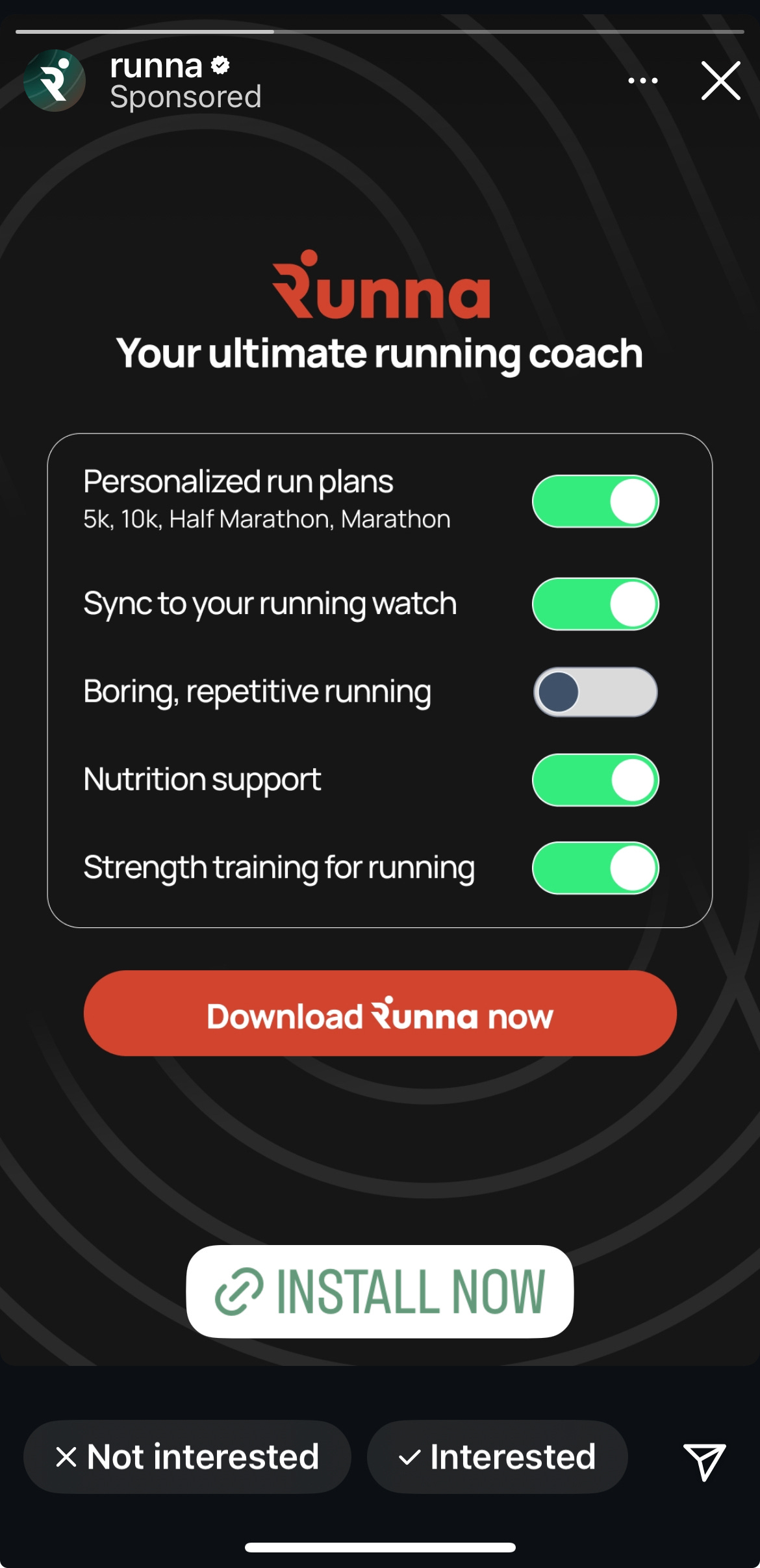
From personalized training plans that sync to your GPS watch to strength training and nutrition, the app touts a catch-all approach to run-coaching, minus the “boring, repetitive running” part. In a sport synonymous with a “trial of miles” and the ten thousand plus foot-strikes daily, one has to wonder how Runna found a loophole.
As much as I found this humorous, it sparked my thinking around why we as a species are so resistant to embrace boredom and repetition. Everything in our world is designed to mitigate boredom: from social media doomscrolling and binge-watching TV to compulsive eating, gambling, and smoking. On the most extreme end of the boredom-avoidance spectrum, we choose activities that kill us slowly.
Yet, as Einstein said, “Creativity is the residue of time wasted.” Boredom is not solely fertile ground for risky, objectively unproductive behavior, but it is also the root of philosophy, art, and invention. Running, in its frivolity, lies somewhere in between.
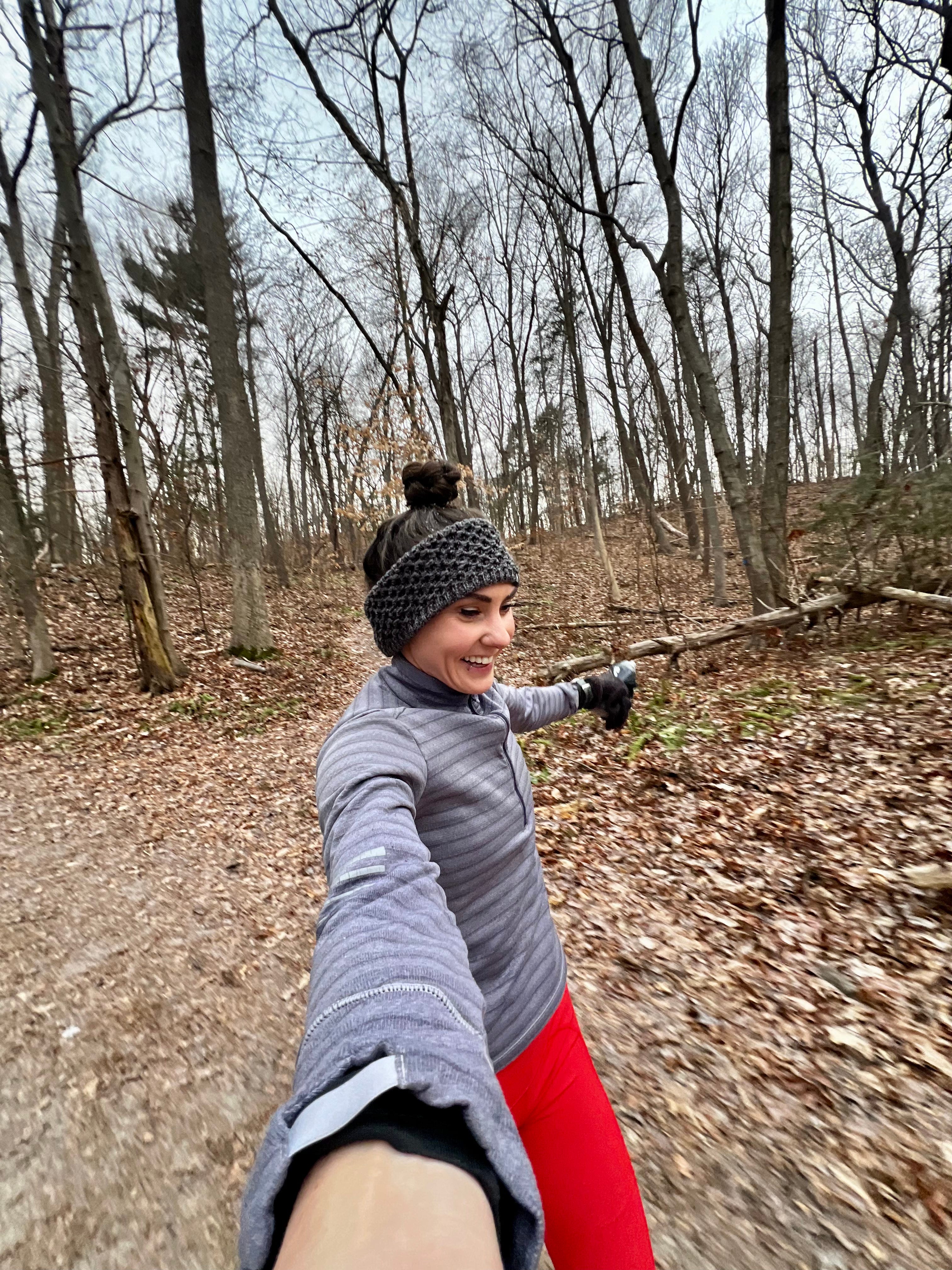
Running allows us the beautiful and rare opportunity to waste time and, sometimes, to be bored. Its simple, repetitive, metronomic rhythm—often performed solo— repulses many. For some, it becomes a potent cocktail of beta-endorphin, dopamine, and serotonin—but only if we give it a chance to feel boring and repetitive.
Repetition & Simplicity Make Us Better Athletes
From a coaching perspective, I see a few athletes who fully embrace the simplicity, repetition, and patience the sport requires. Others struggle with the monotony and absence of overnight results. Quite often, athletes in this latter category feel like they aren’t doing enough. They will express feelings of needing to run harder, perform novel workouts every week, hack their physiology, take an array of Huberman-approved supplement stacks, and/or bury themselves in mounds of inscrutable data from every wearable known to man.
While it can be tempting to seek performance optimization this way, the reality is far less glamorous. Rather, it is a pile of unremarkable bricks lying before us, that we must arrange and stack in a way that makes sense for our physiology and goals. Most of the bricks represent easy running and a few signify harder running. Each day, a brick is layered in with the mortar of enough food (particularly rich in carbohydrates and protein) and sleep. From day to day, we probably won’t see much performance improvement, yet over time, this repetition constructs a solid athletic foundation on which we can build for years.
Although complexity and variety might feel productive, mundanity actually is.
My current training block is a readily available example of how “boring” can be best.
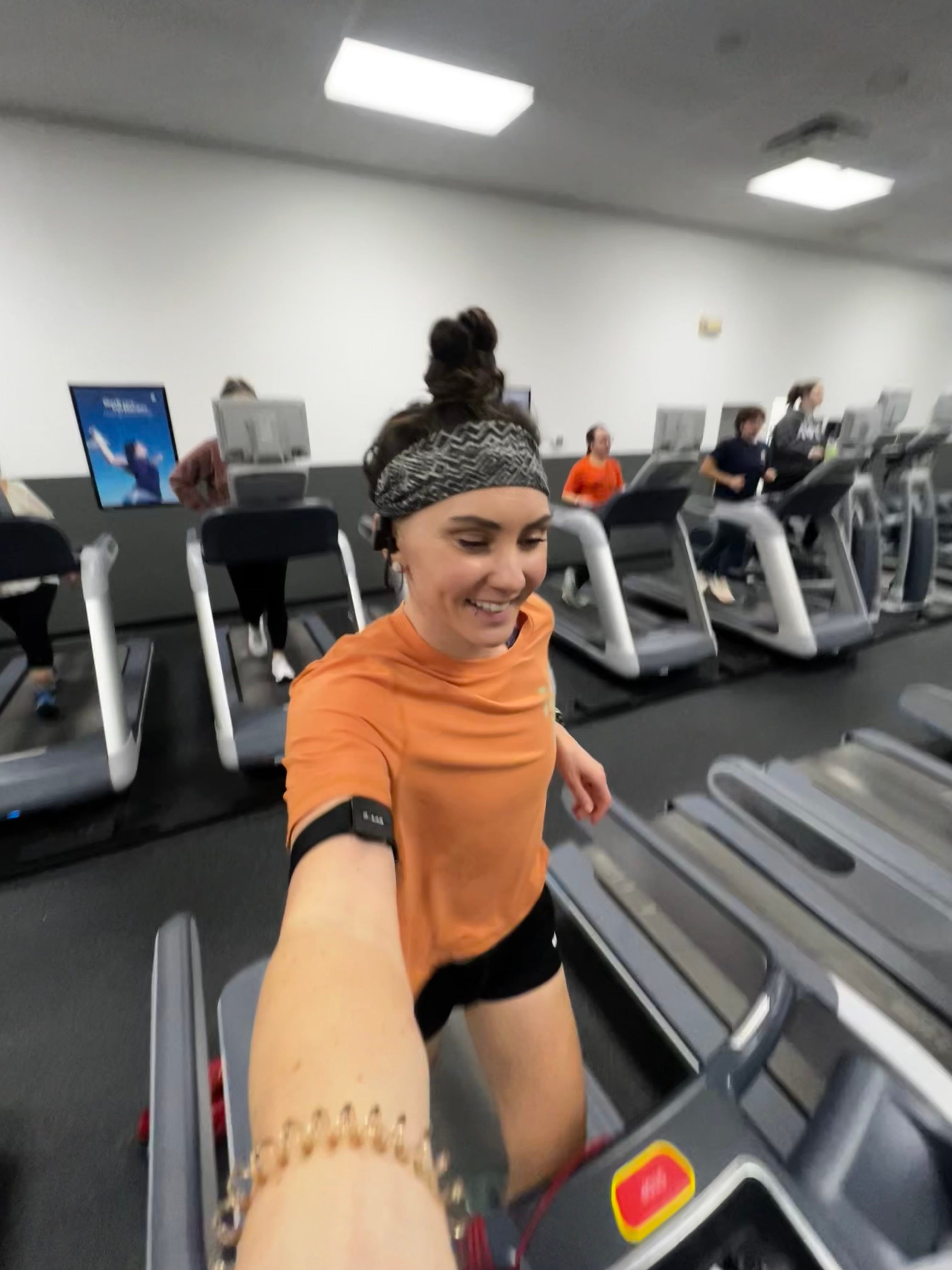
It is perhaps the least sexy, most repetitive base phase I’ve done yet, and I’m seeing more objective progress than ever. With Broken Arrow Ascent still 21 weeks away, my weeks look like this:
Monday: 90-minute easy run with optional strides
Tuesday: Uphill treadmill threshold intervals + core/hip
Wednesday: 60-80-minute easy run + mobility
Thursday: 60-90- minute easy run w/ optional progression + lower body lift
Friday: 80-90-minute easy run with optional strides
Saturday: Uphill treadmill tempo + mobility
Sunday: Rest day + core/hip
It’s the same work/rest on repeat for at least another 12 weeks before I transition to a sharpening block where I’ll add more specific training to prepare for an all-out uphill sprint. By repeating the same workouts in the same rhythm, at a controlled intensity, I can easily keep track of how my body is responding (or not responding) to the training. Without interference from too much novelty, simplicity speaks volumes.
A Few Tips for Simplifying Training
Understand the why. Before adding a new workout into the mix, first think about why you’d be doing it. Are you hoping to develop speed, endurance, strength, or a specific skill within running (i.e. downhill/technical trail)? Once you understand why you’re doing it, you can better decide when (or if) it’s appropriate to try the workout. If you’re using an app to tell you how to train, be sure you understand why you’re doing the work it’s telling you to do.
Rigidity is not synonymous with simplicity. Day-to-day variation in how we feel, how we sleep, how we eat, etc. is a reality of being human. Sometimes we need to flex and adapt training to meet us where we are on the day. The better we understand a workout’s purpose, the easier it is to modify it.
Allow the work you’re currently doing to settle; it takes time to realize fitness gains. Before you change your approach by adding volume or intensity, let the work you’re doing “settle in” by holding the same volume/intensity for a few weeks.
Change only one variable at a time. Before adding intensity in to improve your running performance, first ask yourself if you’ve addressed the basics. Are you running easily enough? Are you running enough? On the other (rarer) side of the coin, if you already run plenty of easy volume, yet you’re not seeing improvements, you’ll likely benefit from running faster not running more.
Back to basics. If you’re struggling to recover and adapt to training, you probably don’t need Normatec boots or exogenous ketones. First, evaluate your sleep quality and quantity, your nutrition, and intensity distribution of training. While it can be tempting to start using the sauna, cold plunging, taking a supplement stack, or buying overpriced recovery tools, these quick (and often expensive) “fixes” aren’t addressing the root cause(s).
Closing Thoughts
In a world of constant stimulation and a need to feel productive or busy, there is reprieve in the repetition and simplicity of running when we allow for it. Through the mundane daily routines of athletics, we can joyfully “waste” our time chasing scary goals that, in actuality, have little to no impact on our lives. Yet, the residue of this time wasted is what creates a life worth living.
Let’s make running boring again.
Call for comments: To my fellow humans who also enjoy “wasting” time, what is a simple, repetitive aspect of your life or training that brings you fulfillment?
Running Realm Finds & Soul Fuel
If you don’t already follow Steve Magness, you should do so. He consistently posts insightful, nuanced ideas founded on years of experience coaching high-performing athletes. One of his recent Instagram carousels on the use of cold exposure caught my eye. Getting cold is all the rage in the sports performance space—particularly on social media—despite mixed research findings. Steve does a fantastic job of succinctly addressing its use for recovery, health, immunity, and metabolism in 10 slides.
“What Does it Mean to Invest in Women’s Performance?” by Allison from Not a Conversational Pace is an insightful piece for anyone interested in brands, marketing, sports, and/or female athletic performance. I look forward to reading more from her!
“Let go of the shame for not wanting to work” by Amie McNee is a must-read for anyone (like myself) grappling with the ‘work first, live later’ mentality. Raised in a loving, hard-working, middle class family, I was taught that getting a good education, and thus a good job was of the utmost importance in life if I wanted happiness—a synonym for security. Over the years, I’ve struggled with guilt for resisting the 40+ hour commitment working for someone else’s vision. In her blog, Amie explores this turmoil through firsthand experience, providing us with insight on releasing shame along the way. She does so while also acknowledging privilege in a way that won’t paralyze you with guilt.
Great read! And yes, even me, your non runner mom enjoyed reading it!❤️
👏 love this. In a world that will always bombard runners with novelty it can be easy to stray from the basics!